Hydraulic cylinders are robust, but they don't last forever. Seals wear, chrome plating pits, and rods bend — and when they do, cylinder performance drops off before failure becomes obvious. Catching the early warning signs can prevent a minor repair from becoming a costly replacement or, worse, an unplanned shutdown.
External Oil Leaks Around the Rod Seal
The most common sign of cylinder wear is oil weeping around the rod seal — the dynamic seal that the piston rod passes through on every stroke. A small amount of oil wetting the rod is normal on some older designs, but visible dripping, oil film build-up on the rod, or oil tracking down the cylinder barrel all indicate the rod seal has reached the end of its service life.
Left unattended, a leaking rod seal will cause oil loss, contaminate the surrounding area, and eventually allow moisture and contamination into the cylinder, accelerating internal wear.
Cylinder Drift or Creep
If a cylinder loaded in a fixed position slowly drifts — dropping under load, or failing to hold position — the internal piston seal has likely worn through. Bypassing across the piston seal means the cylinder cannot maintain pressure on one side, causing gradual movement even with the hydraulic circuit blocked.
Drift is particularly dangerous in overhead or vertical applications, and should be investigated immediately.
Reduced Force or Speed
A cylinder that was previously capable of lifting a rated load but now struggles, stalls, or moves more slowly than normal is showing signs of internal bypass. This can be caused by worn piston seals, a damaged barrel bore, or contamination causing seal deterioration.
Before condemning the cylinder, check system pressure and flow — but if system conditions are normal and performance is down, the cylinder itself is likely the cause.
Visible Rod Damage
The chrome-plated rod is the working surface for the rod seal. Any damage to this surface — pitting from corrosion, scoring from contamination, or physical bending from side loading — will cause accelerated seal wear and eventual leakage.
- Pitting — typically caused by moisture ingress or contaminated oil
- Scoring — caused by contamination particles trapped in the rod seal
- Bending — caused by off-axis loading beyond the cylinder's designed side-load capacity
A bent or heavily scored rod cannot be repaired with a seal kit alone — re-chroming or rod replacement may be required. AD Automation's hydraulic repair workshop can assess rod condition and advise on the most cost-effective repair path.
Unusual Noise or Jerky Movement
A cylinder that makes banging, squealing, or chattering noises on extension or retraction is often experiencing stick-slip — a friction-induced stiction effect caused by worn or hardened seals. Similarly, jerky or uneven movement instead of smooth, progressive travel indicates seal or bore issues.
Contaminated Oil in the Cylinder Port
If you drain a cylinder and find discoloured, cloudy, or milky oil — or oil with visible metallic particles — contamination has entered the circuit. Milky oil indicates water ingress; metallic particles indicate internal wear. Either condition requires a full inspection and likely a rebuild before the cylinder is returned to service.
When to Repair vs Replace
Hydraulic cylinder repair is almost always more cost-effective than replacement — particularly for large or custom cylinders. A full rebuild typically includes new rod seals, piston seals, wiper seals, and O-rings, along with inspection of the rod, barrel, end caps, and ports.
Cylinders with heavily pitted rods, bent rods, or damaged barrel bores require more extensive work — but our workshop can handle re-chroming, line boring, and full re-manufacture if required.
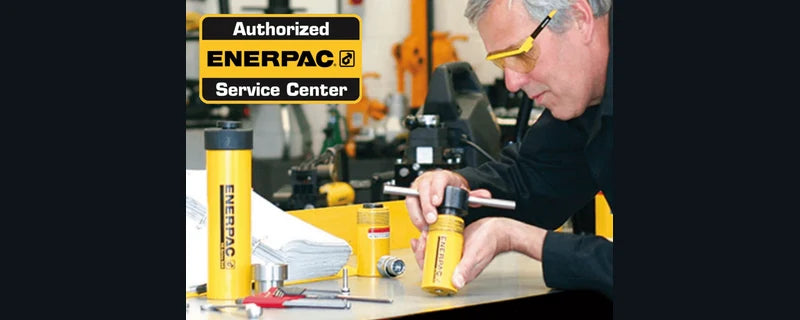
Book a Cylinder Assessment
If your cylinder is showing any of these signs, don't wait for a failure. AD Automation operates a dedicated hydraulic cylinder repair workshop in Keysborough, VIC — we rebuild cylinders from all manufacturers and can provide a repair assessment and quote quickly.
Request a repair quote online or call our service team on (03) 9798 7522.